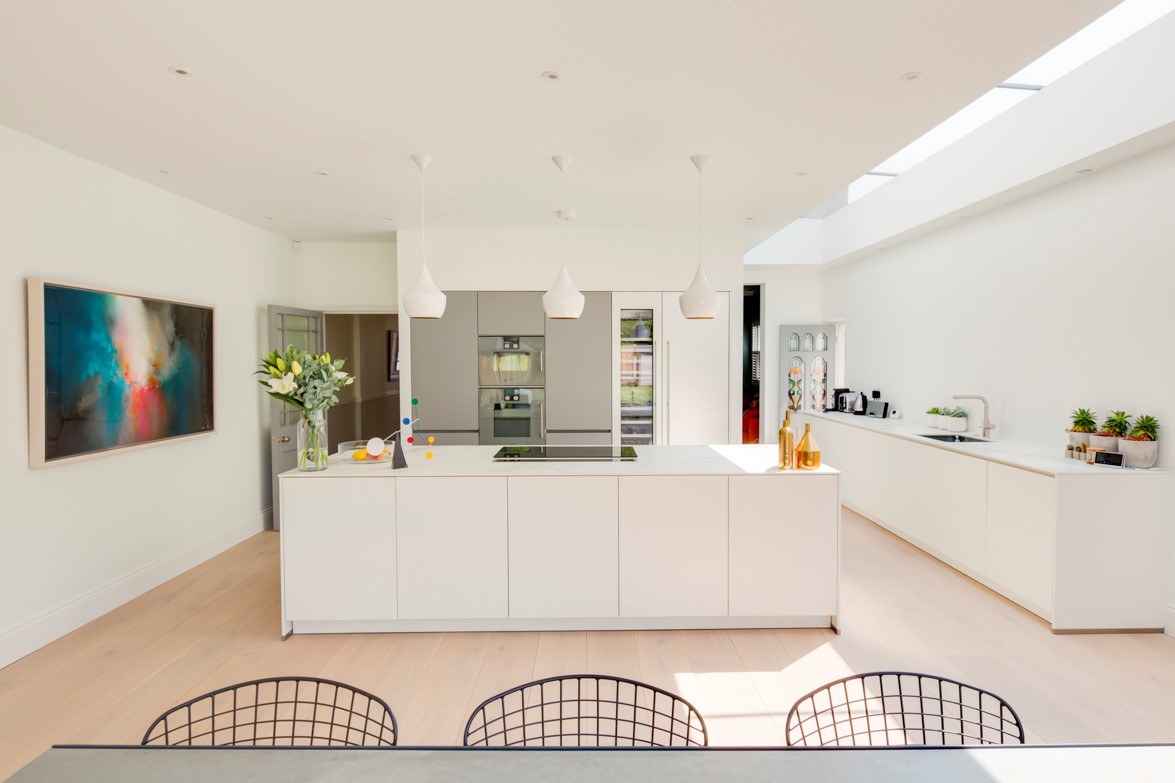
What makes a successful London Home Renovation?
READ ARTICLE


If you own a historic or architecturally significant home in London, you’ve likely heard the term “listed building consent.” This crucial process protects the character and heritage of listed properties.
In this guide, we’ll explain what listed building consent means, why it matters, and how to navigate the application process smoothly. Whether you’re planning renovations, repairs or even minor changes, understanding the rules can save you time, money and stress.
Listed building consent is official permission granted by your local planning authority to alter, extend or demolish a listed building. A listed building is one that appears on the National Heritage List for England due to its special architectural or historical interest.
There are three grades of listing:
Regardless of the grade, you must apply for listed building consent before making any changes that affect the structure or character of your property.
This process protects the architectural and historic integrity of buildings that form an important part of London’s heritage. Making changes without consent is a criminal offence and could lead to enforcement action or prosecution.

Consent ensures that alterations are done sympathetically, using appropriate materials and techniques. It also helps maintain the value of your home, as poorly executed works can diminish both its aesthetic and market appeal.
You will need consent for any work that affects the character of your listed building. This includes:
Even seemingly minor works like painting or redecorating can require consent if they impact the building’s character. Always check with your local planning authority before proceeding.
Navigating the consent process can feel daunting, but breaking it down into steps makes it manageable:
Start by reviewing your property’s listing details on the Historic England website. Then contact your local planning authority (such as the Royal Borough of Kensington and Chelsea or Westminster City Council) for informal advice. Some councils offer pre-application services to guide you on what will or won’t be acceptable.
Your listed building consent application should include:
You can usually submit your application online via the Planning Portal or your local council’s website.
Once submitted, the local authority will consult with conservation officers and possibly Historic England. They will assess whether your proposal preserves the character of the building.
Decisions usually take around 8 weeks. The authority may:
If refused, you have the right to appeal. It’s also possible to reapply with revised plans.
Listed building consent is separate from planning permission and building regulations approval. Depending on your project, you may need all three.
For example, an extension to a listed home might require:
Owning a listed home in London is a privilege that comes with responsibility. Understanding the listed building consent process helps protect your property’s heritage while allowing for thoughtful improvements. Always start with research, consult the right professionals, and work closely with your local planning authority. That way, you can enjoy your beautiful home while preserving its unique character for future generations.
Need expert help? Convert Construction are specialists in renovating listed buildings across London. Get in touch today to discuss your project with their experienced team.
Want to know more? Visit our website and see our recent projects that include renovating listed buildings.
Learn how to navigate the listed building consent process in London. Discover when you need it, how to apply, and tips for successful renovation of your listed home.
Ready to create a home that’s truly exceptional? At Convert Construction, we specialise in luxury new builds and high-end refurbishments. From concept to completion, we deliver bespoke craftsmanship, ensuring every detail aligns with your vision and lifestyle.
Contact us today to start planning your dream home or renovation. Let Convert Construction bring your ideas to life with precision, quality, and timeless elegance.




Would you like to discuss a project with us?

Registered in England & Wales | Company No. 04762476 | VAT No. GB 839 3824 91 | Privacy Policy
© 2026 All Rights Reserved. Convert Construction
Hosted by MJ Support for all your IT needs
